Professional Rodent Control for Ontario Homes and Businesses
Rodents are among the most damaging and health-threatening pests affecting Ontario properties. Mice and rats contaminate food and food preparation surfaces, gnaw through wiring and structural materials, and reproduce rapidly once they establish a nesting site inside a building. A single mouse sighting is rarely the full picture — by the time you see evidence of rodents, the infestation has typically been established for weeks or months.
Effective rodent control requires more than setting a few traps. It requires a complete understanding of how the animals entered the building, where they are nesting, what food and water sources they are using, and how to eliminate all of these factors together. Without addressing the structural vulnerabilities that allowed rodents to enter, even a successful treatment will be followed by re-infestation.
Mice Control in Ontario
The house mouse is the most common rodent found in Ontario homes and businesses. They are small, fast-reproducing, and opportunistic — capable of entering through gaps the size of a dime and establishing large populations in wall cavities, attic spaces, and basement areas very quickly. A female mouse can produce five to ten litters per year, with six to eight pups per litter, meaning an infestation can grow from a few individuals to dozens within a single season.
Mice are particularly active in Ontario from September through March as temperatures drop and outdoor food sources diminish. Properties with aging foundations, gaps around utility penetrations, or deteriorating door seals are especially vulnerable. Our mice control program includes full interior and exterior inspection, targeted snap traps and bait stations at all active areas, and complete structural exclusion to seal every identified entry point.
Rat Control in Ontario
Norway rats are the primary rat species found in Ontario and are more commonly associated with urban environments — particularly areas with older housing stock, food service concentrations, and underground infrastructure. Rats are larger, more cautious, and more destructive than mice. They dig burrows, gnaw through hard materials including plastic pipe and concrete block, and establish well-defined travel routes along walls and under flooring.
Rat infestations require a more sustained and targeted approach than mouse control. Rats are neophobic — suspicious of new objects in their environment — and require properly positioned, tamper-resistant bait stations placed along established travel routes. Our rat control program includes exterior perimeter bait station installation, interior monitoring, and structural exclusion to close off active entry points and eliminate harborage areas.
Our Rodent Control Process
Every rodent control service follows the same rigorous process regardless of whether we are treating mice or rats:
- Full Property Inspection: We examine the interior and exterior of the property to locate active rodent evidence — droppings, gnaw marks, grease trails, nesting material — and identify all potential entry points. Nothing is guessed; every finding is documented.
- Interior Treatment: Snap traps and bait stations are placed at all active interior locations — along walls, under sinks, in attic and crawl spaces, and behind appliances. Placement is precise, not random.
- Exterior Bait Stations: Tamper-resistant exterior bait stations are installed at perimeter entry points and along exterior walls to intercept rodents before they enter the structure.
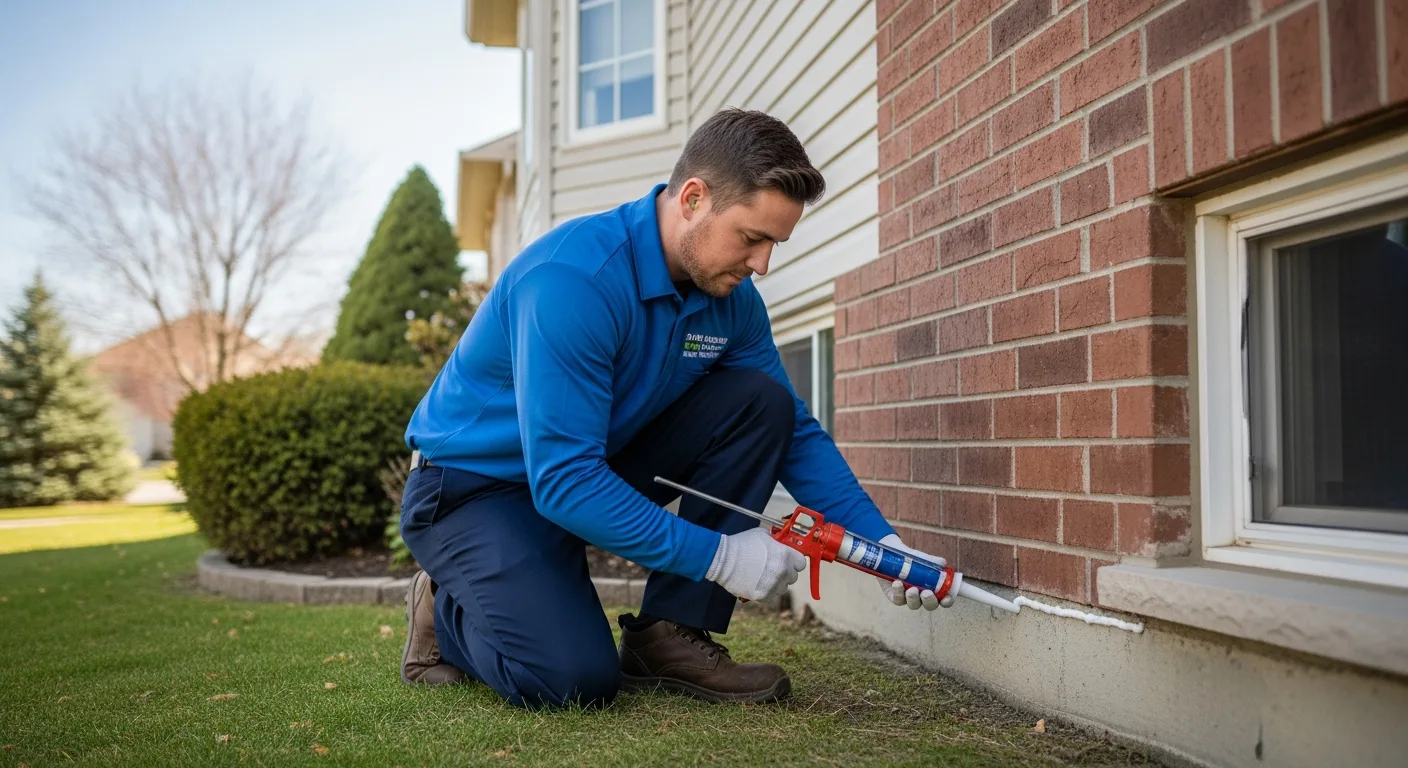
- Structural Exclusion: Every identified entry point is sealed using the appropriate material for that location — steel wool, hardware cloth, metal flashing, caulk, or expanding foam. We do not stop until every gap is closed.
- Follow-Up Inspection: We return to confirm the infestation has been fully eliminated, reset traps if needed, and check exclusion materials for integrity.
Why Rodent Problems Get Worse Without Treatment
Rodent populations do not plateau — they grow. Without professional intervention, a mouse problem that starts with two or three individuals will grow to dozens within a few months and then to hundreds within a year. Rats establish burrow networks and expand territory over time. The longer an infestation is left untreated, the more nesting material is deposited, the more structural damage accumulates, and the more difficult and expensive complete elimination becomes.
Beyond population growth, untreated rodent infestations create secondary problems. Rodent-damaged wiring is a fire risk. Contaminated insulation and subfloor materials may need to be replaced. Rodent urine and droppings in air handling systems can affect indoor air quality. The cost of addressing these secondary issues far exceeds the cost of professional rodent control applied at the first sign of activity.
Rodent Control for Ontario Businesses
Rodent activity in a commercial environment creates immediate regulatory and reputational risk. A single rodent sighting in a restaurant or food processing facility can result in failed health inspections, temporary closures, and serious damage to customer trust. Our commercial rodent management programs provide scheduled exterior bait station maintenance, interior monitoring, and regular documented inspections to keep businesses protected and compliant year-round. Learn more about commercial pest control.
Service Areas for Rodent Control
We provide rodent control across Ontario including Vaughan, Toronto, Mississauga, Brampton, Richmond Hill, Markham, and surrounding communities.